STEF: Líder en logística de frío en Europa

April 4, 2025 in Ideas de inversión, MOI Global en Español

NOTA DEL EDITOR: Esta idea de inversión es obtenida de una carta trimestral del fondo DLTV Europe.

* * *

Stef [XPAR: STF] es el líder en Francia de logística en frío y temperatura controlada (-25°C y 15°C), y ha logrado una posición creciente en Reino Unido, Suiza, Italia, Bélgica, Holanda y Portugal. Actualmente, Francia representa el 56,5% de las ventas del grupo, mientras que el resto de Europa aporta el 43,5%. Se prevé que, debido al fuerte crecimiento de Stef fuera de Francia, en los próximos años el peso de las ventas en Francia caiga por debajo del 50%.

Stef fue fundada en 1987 a partir de la privatización de activos logísticos de la empresa nacional de transporte ferroviario en Francia (SNCF), y fue uno de los primeros LBO (Compra apalancada por los empleados clave) en el país. Hoy en día, el 73% de la compañía está controlado por la familia Lemor, los ejecutivos clave y los empleados de la empresa.

La historia de Stef ha sido un éxito rotundo. Desde 1996 hasta 2024, las ventas han crecido de 878 millones a 4.800 millones de euros (5.46x, o Tasa del 6% Anual). Este crecimiento ha sido rentable, con un ROCE promedio de entre 9,5% y 10%, y un ROE superior al 15%. Durante este período, los beneficios han aumentado desde 6,5 m eur hasta 170 m en 2024 (26.15x o 11.9% anual).

En esta industria, la cuota de mercado otorga claras ventajas competitivas, permitiendo a las empresas ofrecer el mejor servicio a precios adecuados. Stef, como líder en Francia, posee aproximadamente un 30% del total del mercado. En Francia, el grado de externalización en la industria ha alcanzado entre el 70%-80%, lo que significa que no se espera un aumento significativo en esta. Sin embargo, en otros países europeos donde Stef opera, el grado de externalización es considerablemente menor (en algunos casos, solo el 30%). Esta diferencia, junto con el crecimiento orgánico e inorgánico, permitirá que el segmento europeo de Stef crezca a tasas de al menos 8-10% anual (5-6% orgánico y 3-5% inorgánico).

El crecimiento de Stef en Francia será más moderado, dado que la compañía ya posee una alta cuota de mercado en un sector altamente externalizado. Por tanto, se espera que su crecimiento se alinee con la inflación, alrededor del 2%.

Es importante destacar que Stef es dueño de gran parte de sus camiones (+3,000) y de 600,000 m2= 11m cúbicos de naves logísticas. Estos activos proporcionan una ventaja competitiva considerable, aunque también hacen que la compañía sea más intensiva en capital (ROCE del 10% y ROE del 15%).

Siendo conservadores, estimamos que los márgenes operativos se mantendrán estables entre el 5%-6%, y que las ventas de Stef crecerán por encima del 6% a largo plazo. Actualmente, Stef cotiza a 8,7x beneficios de 2025 y ofrece un dividendo anual creciente del 4%. Creemos que, desde estos niveles, las acciones de Stef generarán rentabilidades muy atractivas, superiores al 11% anual.

El contenido de este sitio web no es una oferta de venta ni la solicitud de una oferta para comprar ningún tipo de valor en ninguna jurisdicción. El contenido se distribuye solo con fines informativos y no debe interpretarse como un consejo de inversión o una recomendación para vender o comprar cualquier valor u otro tipo de inversión, o emprender cualquier estrategia de inversión. No hay garantías, expresas o implícitas, en cuanto a la exactitud, integridad o resultados obtenidos de cualquier información establecida en este sitio web. Los directivos, ejecutivos, empleados, y/o autores contribuyentes de BeyondProxy pueden tener cargos y pueden, de vez en cuando, realizar compras o ventas de los valores u otras inversiones discutidas o evaluadas en este sitio web.


Horos sobre Zegona Communications

March 31, 2025 in Ideas de inversión, MOI Global en Español

NOTA DEL EDITOR: Esta idea de inversión presentada por Javier Ruiz, CFA, es obtenida de una carta trimestral de Horos Asset Management.

* * *

Zegona Communications [LSE: ZEG] es un holding británico especializado en tomar participaciones en compañías del sector de las telecomunicaciones. La entidad fue constituida en 2015 por antiguos directivos de Virgin Media, con la idea de invertir en compañías europeas del sector ineficientes y con margen de mejora en la gestión. Así, en 2015 invirtieron en TeleCable y en 2017 en Euskaltel, a cambio de su participación en TeleCable y alrededor de 185 millones en efectivo. Finalmente, Zegona vendería su participación en Euskaltel a MasMovil en 2021, devolviendo la mayor parte del capital a los accionistas y cosechando una elevada rentabilidad con todas estas operaciones. Dos años después, en 2023, Zegona volvió a realizar un importante movimiento en el sector, al hacerse con Vodafone España por un valor de empresa de 5.000 millones de euros (reflejando un múltiplo de valoración inferior al promedio del sector en el momento de la transacción). Esta operación se estructuró mediante una emisión de acciones preferentes de 900 millones a Vodafone (a través de una NewCo), una ampliación de capital de 300 millones y 3.900 millones en deuda. Con todo, después de algunos movimientos de acciones remuneradas al equipo directivo, Vodafone controla c. 69% de las acciones de Zegona y el equipo directivo alrededor del 7,5%.

Miembros, inicien sesión abajo para acceder al contenido restringido.

¿No eres miembro?

Gracias por tu interés. Ten en cuenta que MOI Global está cerrado para nuevos miembros en este momento. Si deseas unirte a la lista de espera para miembros hispanos, completa el siguiente formulario:


Bestinver sobre Expedia

March 28, 2025 in Ideas de inversión, MOI Global en Español

NOTA DEL EDITOR: La siguiente idea de inversión es obtenida de una carta trimestral de los fondos de Bestinver.

* * *

Estamos hablando de Expedia [NASDAQ: EXPE], la compañía líder del sector de agencias de viaje online, junto a Booking y Airbnb.

Este es un sector muy interesante por varios motivos. En primer lugar, es una industria con una tasa de crecimiento natural que supera a la del PIB mundial. Un crecimiento que consistentemente se ha visto acelerado debido al incremento de la penetración online y por las consistentes ganancias de cuota de mercado de compañías como Expedia dentro del entorno digital. Por otro lado, se trata de una actividad en la que la reputación, la fiabilidad y la excelencia de la plataforma tecnológica suponen unas barreras de entrada tan elevadas que, de facto, han convertido al sector en un oligopolio mundial dominado por tres jugadores. Por último, el modelo de negocio digital es un gran generador de caja libre, gracias a sus bajas exigencias de capex y al ciclo de circulante negativo.

Miembros, inicien sesión abajo para acceder al contenido restringido.

¿No eres miembro?

Gracias por tu interés. Ten en cuenta que MOI Global está cerrado para nuevos miembros en este momento. Si deseas unirte a la lista de espera para miembros hispanos, completa el siguiente formulario:


Cómo Generar Ideas de Inversión en MicroCaps

March 26, 2025 in Contenido Libre, MOI Global en Español, Videos

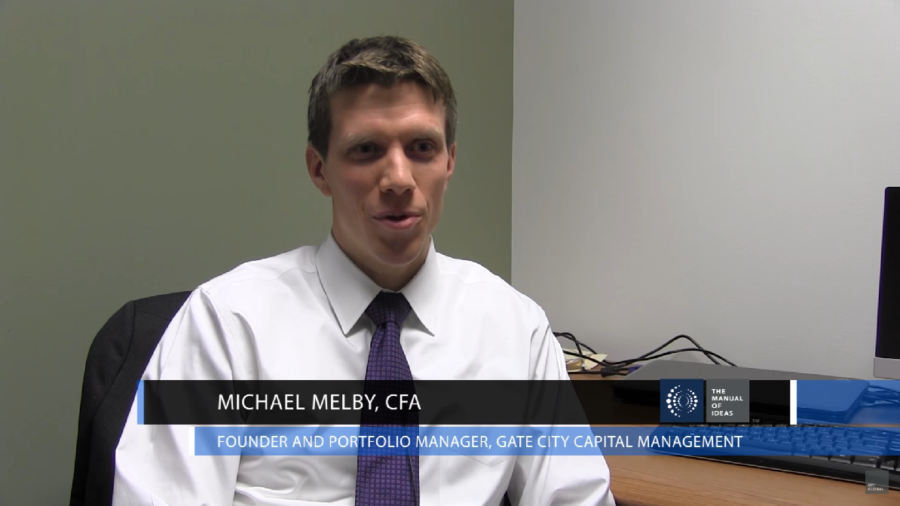
Michael Melby, CFA, Fundador y Portfolio Manager de Gate City Capital Management, explica cómo generar ideas de inversión en microcaps.

El video tiene subtítulos al español. Para activarlos, dentro del recuadro del video, ve a “Configuración” → “Subtítulos“, y selecciona “Español“.

Los miembros de MOI Global pueden acceder a la transcripción completa.

Miembros, inicien sesión abajo para acceder al contenido restringido.

¿No eres miembro?

Gracias por tu interés. Ten en cuenta que MOI Global está cerrado para nuevos miembros en este momento. Si deseas unirte a la lista de espera para miembros hispanos, completa el siguiente formulario:

Why Every Investor Must Understand Capital Cycle Theory

March 21, 2025 in Audio, Equities, Featured, John's Blog, Latticework, Podcast, Reading Recommendations, The Manual of Ideas

This episode is part of our “Wisdom in Books” series and podcast. Every week we inspire your reading with an exclusive author interview or John’s takeaways from an influential book on investing, business, or life.

This episode is entitled, “Lessons from ‘Capital Returns’, the Classic by Marathon”.

I am delighted to share this new recording with you, as Capital Returns has been hugely influential in shaping my investment philosophy. The book is truly a “must read” for every investor aspiring to long-term greatness.

In this Part One of our two-part series, I take you on a journey through capital cycle theory, as masterfully articulated by Edward Chancellor and London-based Marathon Asset Management.

In Part Two, we will apply capital cycle theory to today’s market environment, seeking to identify exceptional opportunities in capital-starved industries.

Experienced investors know that markets are more than just numbers on a screen — they are living cycles of boom and bust. Capital Returns: Investing Through the Capital Cycle, edited by renowned financial historian Edward Chancellor, shines a spotlight on one of the most fundamental yet underappreciated forces behind those cycles.

The book compiles a decade’s worth of investment essays from Marathon Asset Management, a London-based value firm, offering an insider’s look at how capital flows within industries can make or break investment returns. Far from a typical market chronicle, Capital Returns provides a rigorous framework for investors seeking an edge in understanding market dynamics. Its significance lies in distilling how the ebb and flow of capital — into steel mills, oil wells, tech startups, you name it — ultimately governs competition, profitability, and long-term value creation.

For portfolio managers and value aficionados, the capital cycle framework isn’t just theory; it’s a practical lens for spotting opportunities and risks that traditional analysis might overlook.

At the heart of the book (and our podcast discussion) is the capital cycle concept. Put simply, the capital cycle theory observes that high returns attract excessive capital, which eventually drives returns down, while poor returns repel capital, sowing the seeds of a future recovery. In other words, when an industry is enjoying fat profits and rosy growth projections, companies and investors tend to flood it with money — new entrants, expanded capacity, ambitious projects — until competition and overcapacity inevitably erode those profits. Conversely, when an industry is in the doldrums with abysmal returns, capital investment dries up: weaker players exit, projects get canceled, and supply shrinks, paving the way for the survivors’ fortunes to improve.

This supply-driven feedback loop leads to a powerful mean reversion in economic outcomes. Excess success plants the seeds of its own demise, just as hardship plants the seeds of resurgence. It’s a sophisticated twist on classic boom-bust wisdom, rooted in supply-side economics for investors. Chancellor quips that many analysts fixate on demand trends while ignoring supply, “which is what drives the capital cycle.” By refocusing on metrics like industry capacity, capital expenditure, and competition, investors can anticipate inflection points that others miss. Think of Joseph Schumpeter’s “creative destruction,” but with a balance sheet twist — capital rushing in where it shouldn’t and fleeing where it’s most needed, time and again.

Why should intelligent investors care about this framework? Capital cycle analysis offers a contrarian roadmap to navigate market manias and slumps. Traditional value investing often emphasizes buying cheap and avoiding hype, and the capital cycle provides tangible criteria to do just that. For example, Chancellor notes that following the “trail of investment” can help identify bubbles before they burst. History bears this out: the late-1990s dot-com frenzy and the mid-2000s housing boom were each marked by a surge in capital spending (on telecom networks, new homes, etc.), foreshadowing eventual glut and collapse.

Marathon’s insight was to “avoid sectors where investment is unduly elevated and competition is fierce, and instead seek out areas where capital is scarce and conditions are favorable.” In practice, this meant often being early — venturing into out-of-favor industries that everyone else had given up on — and steering clear of the hot sectors du jour. It’s a strategy requiring patience and independent thinking.

Capital Returns is particularly relevant now, after a long era of cheap money and expansion. As the cost of capital rises again, we’re witnessing the pendulum swing: previously neglected sectors (energy, shipping, basic materials) are becoming attractive as capital expenditure there remains cautious, while some once-booming corners of the market face sobering realities. The book’s lessons serve as a timely reminder that fundamentals eventually matter — exuberance fades, and industries with disciplined investment tend to reward investors in the long run.

In our podcast discussion, we delve deep into these themes, unpacking both the theory and its real-world implications. You’ll hear how Marathon Asset Management applied the capital cycle lens across a range of industries and market regimes, and what they learned over years of trial and error. Key themes include the universality of the capital cycle (from beer breweries consolidating globally, to banks overeagerly expanding credit, to even the rise and fall of cod fishing and wind farms), and how recognizing those patterns can give investors an edge.

We explore why growth vs. value is not a black-and-white distinction — a fast-growing company can still be a great investment if industry supply remains constrained, just as a statistically “cheap” stock can be a trap in an overcapitalized sector.

Another focal point is the role of management: capital cycle investing isn’t just about industries in the abstract, but also about CEOs and boards making savvy (or foolish) capital allocation decisions. Good management can resist the siren song of empire-building and return cash when projects don’t promise adequate returns, whereas bad management may squander advantage by chasing scale at the wrong time.

The episode also touches on how this framework shed light on financial crises — for instance, how surging loan growth and balance-sheet expansion in mid-2000s banking was a red flag well before 2008. We discuss the aftermath of that crisis too, examining the era of “living dead” zombie companies propped up by low rates, and how an investor might distinguish temporary distortions from permanent impairments.

We connect the dots to emerging markets, investigating the paradox of why regions with rapid economic growth (like China in the 2000s) often delivered poor stock returns because endless capital funding kept competition high and returns low.

Below is a breakdown of the major discussion segments in the podcast:

  • Why Capital Returns Matters: Background on the book’s origins and why understanding the capital cycle is crucial for savvy investors. We set the stage by highlighting Chancellor’s involvement and Marathon’s unique perspective, framing the capital cycle as an indispensable tool in a value investor’s toolkit.
  • Defining the Capital Cycle: An explanation of the capital cycle framework. We discuss how capital flowing into booming industries eventually undermines returns, and how capital exiting distressed sectors plants the seeds for recovery. This segment uses simple examples (including Chancellor’s “widget manufacturer” story) to illustrate the boom-bust mechanism from a supply-side angle.
  • Marathon’s Lens and the Supply-Side Focus: Insight into Marathon Asset Management’s contrarian approach. We talk about how Marathon “followed the money” — tracking industry capital expenditures and capacity — to spot bubbles and opportunities. Real historical cues, like 1990s tech capex and 2000s housing construction, are mentioned as evidence of why this lens works when traditional demand-focused analysis falls short.
  • Revisiting Growth vs. Value Through Cycle Dynamics: An exploration of how capital cycle thinking blurs the line between growth and value investing. Here we examine Marathon’s argument that what really matters is industry economics and competitive behavior, not the usual growth/value labels. For example, a high-growth company in a disciplined industry might earn superior returns (and be worth a premium), whereas a “cheap” company in a hot, crowded sector can disappoint.
  • Case Studies Across Industries: A tour through diverse industries to see the capital cycle in action. We highlight stories from the book’s essays – such as the global beer brewery consolidation saga that initially hurt returns before rationalizing, the cyclical swings in commodities and mining, and even niche cases like cod fisheries or wind turbine manufacturing. These cases demonstrate that the capital cycle is a universal phenomenon, cropping up in any sector where investment surges or evaporates.
  • Management Matters — Capital Allocation in Practice: Discussion of the human element in the capital cycle. Using examples like Finland’s Sampo under CEO Björn Wahlroos (a Marathon favorite), we illustrate how astute management can navigate cycles by curbing expansion at the peak and deploying capital at the trough. Conversely, we look at cautionary tales of CEOs who became overconfident empire-builders, only to destroy shareholder value when the cycle turned. This segment reinforces why evaluating management’s capital allocation discipline is a critical part of the investor’s analysis.
  • Financial Sector Cycles and “Accidents Waiting to Happen”: An analysis of how the capital cycle framework applies to banks and financial services. We recount how Marathon’s letters warned of excessive loan growth and leverage in the mid-2000s (especially in European banks) as an “accident waiting to happen.” In this segment, the discussion shows that rapid balance sheet expansion in banking follows the same boom-bust logic: easy credit and aggressive growth precede credit busts and losses. By viewing the 2008 financial crisis through a capital cycle lens, we gain a deeper understanding of how to spot systemic risks early.
  • Post-Crisis Aftermath – The Living Dead: Examination of the unusual post-2008 environment, where massive monetary easing kept many struggling companies alive (the “living dead” or zombie firms). We discuss Marathon’s observations on how ultra-low interest rates and bailouts distorted the natural capital cycle, preventing the usual cleansing of the bust. This part of the conversation tackles the challenge for value investors in distinguishing between temporary market distortions and true value opportunities in the aftermath of a bust.
  • Emerging Markets and the China Syndrome: A deep dive into emerging market growth stories through the capital cycle perspective. Focusing on China as a prime example, we explore the puzzle of high GDP growth paired with poor equity returns. The segment explains how relentless capital investment in booming economies can lead to overcapacity and low returns on equity, underscoring the book’s lesson that economic growth alone doesn’t guarantee investor profits. We also touch on historical parallels in other emerging markets to show this is a recurring theme.
  • Wall Street’s Role at Cycle Extremes: A lighter but insightful look at how market euphoria manifests in corporate finance activity. Drawing on the book’s satirical essay about Wall Street, we discuss signals like flurries of IPOs, frenzied M&A deals, and even the pace of share buybacks as markers of where we might be in the cycle. When investment bankers are busily taking companies public or orchestrating mega-deals, it often coincides with market tops, whereas shareholder-friendly actions like buybacks tend to appear after downturns. Recognizing these patterns can help investors gauge sentiment and avoid being swept up in late-cycle hubris.

In the soon-to-be-published Part Two, we will apply capital cycle theory to today’s market environment. We will highlight sectors (such as energy and shipping) that appear to be on the favorable side of the capital cycle — where years of underinvestment may be setting the stage for strong returns. We will also caution about areas where capital has been pouring in aggressively.

This Part One of our two-part series was recorded on March 13, 2025.

The Genius of Stan Druckenmiller: Lessons for Investors

March 21, 2025 in Audio, Equities, Featured, Latticework, Podcast, The Latticework Podcast

This recording is part of our series, Intelligent Investing 100. Every week we bring you a segment about a thought leader in the field of investing.

Overview:

  • Introduction: Who is Stanley Druckenmiller?
  • Early Career and Path to Soros
  • Soros Fund Management: Partnership and Philosophy
  • Black Wednesday: Breaking the Bank of England
  • Dot-com Bubble: Navigating Emotional Highs and Lows
  • Duquesne Capital: Three Decades of Unmatched Performance
  • Druckenmiller’s Family Office: Insights from 2020 to 2025
  • Comparing Titans: Druckenmiller, Soros, Buffett, and Dalio
  • Conclusion: Key Lessons from Druckenmiller’s Investment Legacy

This episode was recorded on March 20, 2025:

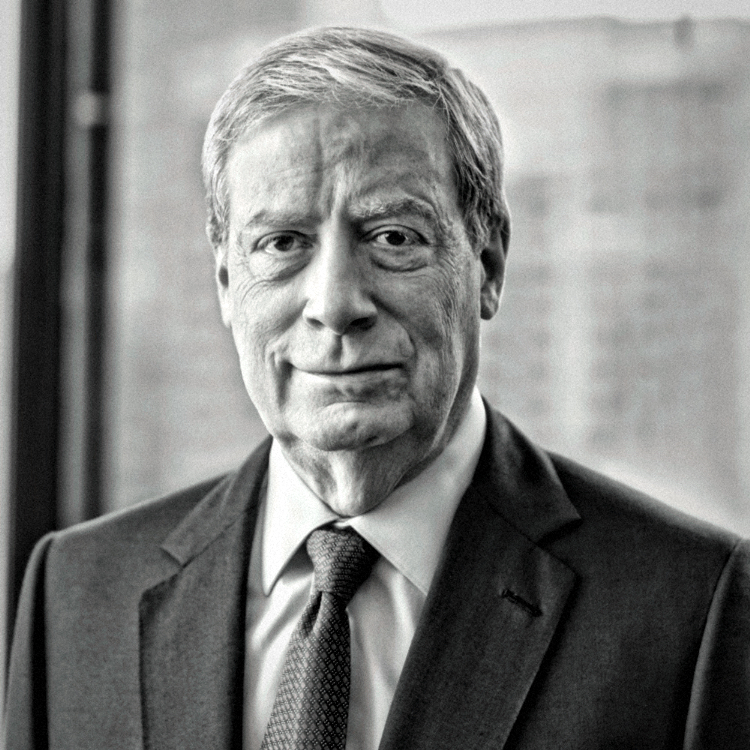
We continue this series with a program on the investment philosophy of legendary investor Stanley Druckenmiller.

Druckenmiller’s name resonates deeply with those who have spent time navigating the complexities of financial markets. Revered by fund managers of all stripes, Stan’s legacy is defined by an astonishing track record — nearly 30% annual returns over three decades without a single losing year.

This episode provides a deep-dive into Druckenmiller’s life, methods, and philosophies, tracing his journey from humble beginnings in Pittsburgh to becoming one of the greatest investors of all time. Instead of being another biography, it’s an exploration for investors looking to dissect the strategies that elevated Druckenmiller to near-mythical status in investing circles.

You’ll discover how he seamlessly blended fundamental analysis with global macro insights to execute trades with remarkable foresight and agility. We pay particular attention to defining moments — such as his partnership with George Soros at the Quantum Fund, their bet against the British pound during the 1992 “Black Wednesday” crisis, and the emotional rollercoaster of the dot-com bubble. Each of these stories reveals insights into Druckenmiller’s strategic thinking and psychological discipline.

While we admire Druckenmiller’s investing genius, this program doesn’t shy away from his missteps and hard-earned lessons, especially from the tumultuous period around the 2000 market crash. These experiences showcase his humility and risk management principles, which have allowed him to sustain and compound wealth.

We also provide a comparative analysis of Druckenmiller’s investing style against those of other legendary investors — Soros, Buffett, and Dalio. This perspective clarifies what sets Druckenmiller apart.

As background, enjoy this 1994 interview of Soros and Druckenmiller:

In an era marked by volatility and macro uncertainty — from the pandemic-induced market swings to inflationary pressures and interest rate moves — Druckenmiller’s recent insights offer lessons for navigating a rapidly changing market. We hope this contemporary perspective makes the program especially valuable for those managing portfolios in the current encvironment.

Join us for this exploration into both the art and science of investing, unpacking the brilliance and discipline that define Stan’s extraordinary career.

Our Favorite Long-Form Druckenmiller Interviews

2024:

2018:

2016:

2013:

Visit the Charlie Rose website to watch the interview.

Leading Family Office Investor Shares Strategy and Best Practices

March 21, 2025 in Audio, Building a Great Investment Firm, Equities, Featured, Interviews, Latticework, Latticework Online, Podcast, The Manual of Ideas, Transcripts

This conversation is part of our special series, “Best Practices for Building a Great Investment Firm”. We speak with established and emerging leaders in fund management, institutional capital allocation, and family offices to uncover enduring principles for long-term success.

We continue this series with an interview with Saahill Desai, managing principal at DS Advisors, a US-based family office characterized by a patient, value-oriented approach and the distinct advantage of permanent capital.

Six years after our initial conversation, Saahill shares his insights into the evolution of DS Advisors’ investment strategy, highlighting key learnings from navigating diverse market environments, including the global pandemic.

Saahill emphasizes DS Advisors’ deliberate strategic focus on public market investments. Unlike many family offices heavily involved in private equity or venture capital, Saahill articulates the rationale behind choosing public markets, including better control over investment outcomes, more favorable after-tax returns, and a lean cost structure. These decisions have allowed DS Advisors to operate efficiently and transparently, optimizing investment costs.

One compelling aspect is DS Advisors’ deep-dive research process, akin to a private equity mindset but applied to public markets. The firm meticulously studies each business, engaging extensively with management, suppliers, customers, and former employees to fully grasp the fundamental drivers and risks. Saahill details the firm’s long-term, concentrated portfolio strategy, typically consisting of around 12-15 businesses, where commitment to each company often spans five to ten years or more.

Saahill also provides valuable insights into DS Advisors’ perspective on risk management, portfolio construction, and leverage, emphasizing the firm’s cautious yet opportunistic stance on deploying capital. We explored specific examples, including their thoughtful management of significant holdings like TransDigm, and how DS Advisors has adeptly navigated market volatility through a disciplined, research-intensive approach.

Finally, Saahill discusses the implications of emerging technologies, particularly AI, on investment decisions and processes. He conveys DS Advisors’ measured approach — focused on understanding AI’s potential impact on their holdings rather than speculating on AI-driven investments. Our comprehensive conversation offers rich insights into the nuanced, disciplined, and strategically patient philosophy that sets DS Advisors apart in today’s investment landscape.

Our conversation covers the following topics:

  • DS Advisors’ Investment Philosophy
    • Patient capital as competitive advantage
    • Deliberate public markets focus
  • Strategic Decision-Making
    • Rationale for avoiding private equity and venture capital
    • Advantages of controlling internal investment costs
    • Tax efficiency in long-term investing
  • Portfolio Construction and Management
    • Deep research and long-term holding periods
    • Importance of building positions incrementally
    • Role and management of liquidity and leverage
  • Case Study: TransDigm
    • Investing rationale and due diligence
    • Navigating pandemic-related market volatility
    • Management engagement and capital allocation
  • Emerging Trends and Technology
    • DS Advisors’ thoughtful approach to AI
    • Maintaining discipline amid technological change

Members, log in below to access the restricted content.

Not a member?

Thank you for your interest.  Please note that MOI Global is closed to new members at this time. If you would like to join the waiting list, complete the following form:

About the interviewee:

Saahill is the founder of DS Advisors, a NYC/Miami-based family office where he oversees investment activity and manages a public equities fund. Saahill began his career at Jane Street Capital, a high-frequency trading and market making business in New York City. He later joined New Silk Route Partners, a South Asia-focused growth equity firm in their Mumbai office. He worked on NSR portfolio investments in media, healthcare, and manufacturing in addition to extensive work on the deals in the energy sector. While in India, he founded DS Advisors, the organization that now manages the majority of his family’s liquid net worth.

The firm is built on three fundamental principles: preservation of capital, a long-term view on investing, and partnering with great people who have impeccable values. At the moment, the firm operates in three areas: (i) public markets: the firm manages several public securities portfolios focused on equities and debt listed in developed markets; (ii) real estate: the firm focuses on owning and operating cash-flowing real estate assets in the U.S.; and (iii) private transactions: DSA seeks to invest directly in select private businesses with strong ROIC and cash flow characteristics.

In addition to sitting on DS Advisors’ investment committee, which oversees all the above pools, Saahill leads the firm’s efforts to expand its capabilities into new areas. Across all business segments, where the family office believes it cannot build or acquire specialized expertise, it seeks to partner with domain experts. In his free time, Saahill enjoys playing tennis and squash, traveling, reading up on consumer technology trends and following college and professional football. Saahill received a B.S.E. in Electrical Engineering and a Certificate in Finance from Princeton University and an MBA from Harvard Business School.

The content of this website is not an offer to sell or the solicitation of an offer to buy any security. The content is distributed for informational purposes only and should not be construed as investment advice or a recommendation to sell or buy any security or other investment, or undertake any investment strategy. There are no warranties, expressed or implied, as to the accuracy, completeness, or results obtained from any information set forth on this website. BeyondProxy’s officers, directors, employees, and/or contributing authors may have positions in and may, from time to time, make purchases or sales of the securities or other investments discussed or evaluated herein.

Actualización de Kaspi.kz

March 21, 2025 in Ideas de inversión, MOI Global en Español

NOTA DEL EDITOR: La siguiente idea de inversión es obtenida de una carta semestral de BrightGate Focus.

* * *

Un año más tarde seguimos con nuestra posición en Kaspi, de la cual no hemos vendido ninguna acción todavía desde nuestras compras iniciales hace más de tres años. De nuestras principales posiciones, el precio de la acción de Kaspi es sin duda el que durante el año ha tenido un peor comportamiento en términos relativos frente al buen desempeño operativo del negocio.

¿Qué ha ocurrido durante el año para que dicho desempeño haya sido tan pobre?

Miembros, inicien sesión abajo para acceder al contenido restringido.

¿No eres miembro?

Gracias por tu interés. Ten en cuenta que MOI Global está cerrado para nuevos miembros en este momento. Si deseas unirte a la lista de espera para miembros hispanos, completa el siguiente formulario:


La complejidad de los mercados financieros

March 21, 2025 in Miscelánea, MOI Global en Español

NOTA DEL EDITOR: El siguiente texto escrito por Javier Ruiz, CFA, es un extracto de una carta trimestral de Horos Asset Management.

* * *

Estas pasadas navidades Papá Noel, que me conoce muy bien, me obsequió con un libro fascinante titulado “Making Sense of Chaos” (algo así como “Desentrañando el caos”).1 La obra está escrita por J. Doyne Farmer, uno de los mayores expertos en sistemas complejos. Pues bien, me gustaría hacer hincapié en dos ideas muy importantes del libro de Farmer que se relacionan con lo comentado hasta ahora. Por un lado, Farmer rescata en uno de sus capítulos un estudio realizado hace décadas, entre otros, por el ex secretario del Tesoro americano Lawrence Summers (como anécdota, Summers era sobrino de los fallecidos premios Nobel de Economía Paul Samuelson y Kenneth Arrow).2 Este trabajo se publicó en 1988, tras el gran crash del famoso Lunes Negro que vivieron los mercados en 1987 —ya que dicha debacle no parecía responder a ningún factor externo que la justificara—, con la intención de probar si los grandes movimientos bursátiles se producen como consecuencia de noticias que los amparen. ¿La conclusión? Al contrario de lo que uno podía esperar, la mayoría de las grandes oscilaciones NO respondían a ninguna información conocida que explicara ese comportamiento.

Miembros, inicien sesión abajo para acceder al contenido restringido.

¿No eres miembro?

Gracias por tu interés. Ten en cuenta que MOI Global está cerrado para nuevos miembros en este momento. Si deseas unirte a la lista de espera para miembros hispanos, completa el siguiente formulario:


Gary Evans on Bank of Internet (now Axos) and the Business of Banking

March 19, 2025 in Interviews, Transcripts

We had the pleasure of speaking with Gary Lewis Evans, an American banking executive who co-founded Bank of Internet USA in 1999 (renamed Axos Bank in 2018). Gary served as the bank’s President and CEO from its inception until 2007, overseeing the pioneering online-only institution’s growth and leading it through a successful initial public offering in 2005. Under Gary’s leadership, the San Diego-based Bank of Internet became a model for branchless banking and one of the first financial institutions to operate fully online. His contributions to digital banking have been recognized by industry peers, including being named a finalist for the Ernst & Young Entrepreneur of the Year Award in 2008.

In this exclusive interview, Gary discusses the evolution of online banking through his pioneering experience at Bank of Internet USA. He reflects on building one of the earliest successful digital-only banks, navigating the complexities of risk management, and creating a distinctive underwriting culture that prioritized innovative yet secure lending practices.

With candid insights, Gary explains his unique approach to lending, shaped by lessons from mentors who valued creativity in securing loans without compromising asset quality. He shares intriguing stories of unconventional yet sound lending decisions, emphasizing how his focus on collateral and borrower character over simple credit scores distinguished Bank of Internet’s strategy from traditional banking models.

Moreover, Gary provides valuable perspectives on the broader banking landscape, particularly the challenges and opportunities facing digital and regional banks today. He also explores the potential of Web3 and blockchain technologies to transform banking, offering a vision on how these innovations could reduce costs, enhance security, and reshape financial transactions.

We are grateful to Tarek Andari for arranging and leading this conversation.

Overview:

  • Gary Evans’ Background and the Origins of Bank of Internet
  • The Unique Underwriting Philosophy at Bank of Internet
  • Risk Management and Lending Practices
  • Differentiating Axos Bank from Traditional Banking Institutions
  • Insights into Bank Valuation and Investment Considerations
  • The Impact of Web3 and Blockchain Technology on Banking
  • Reflections on Industry Consolidation and the Future of Regional Banks

Members, log in below to access the restricted content.

Not a member?

Thank you for your interest.  Please note that MOI Global is closed to new members at this time. If you would like to join the waiting list, complete the following form:

About the interviewee:

Gary Lewis Evans is an American banking executive who co-founded Bank of Internet USA (renamed Axos Bank in 2018) in 1999. He served as the bank’s President and Chief Executive Officer from its inception until 2007, overseeing the pioneering online-only institution’s growth and leading it through a successful initial public offering in 2005. Under Evans’s leadership, the San Diego-based Bank of Internet became a model for branchless banking and one of the first financial institutions to operate fully online. His contributions to digital banking have been recognized by industry peers, including being named a finalist for the Ernst & Young Entrepreneur of the Year Award in 2008.

The content of this website is not an offer to sell or the solicitation of an offer to buy any security. The content is distributed for informational purposes only and should not be construed as investment advice or a recommendation to sell or buy any security or other investment, or undertake any investment strategy. There are no warranties, expressed or implied, as to the accuracy, completeness, or results obtained from any information set forth on this website. BeyondProxy’s officers, directors, employees, and/or contributing authors may have positions in and may, from time to time, make purchases or sales of the securities or other investments discussed or evaluated herein.

MOI Global