J.Dennis Jean-Jacques on Investing in Dislocations

September 26, 2023 in Diary, European Investing Summit, Letters

This article is authored by MOI Global instructor J.Dennis Jean-Jacques, founder and chief investment officer of Ocean Park Investments LP, based in Stamford, Connecticut. Dennis is an instructor at European Investing Summit 2023.

An Omaha Encounter with Susie Buffett

I have an aunt on my wife’s side of the family who lives in Omaha, Nebraska. Over 20 years ago, in 2000, I attended my first Berkshire Hathaway meeting. Rather than stay with Aunt Lafae, I decided to stay in a hotel. That year, the hotels near the old Omaha Civic Auditorium, where the annual shareholder meeting was being held, were unusually low in capacity. Few people decided to make the pilgrimage to Omaha in 2000 because Warren Buffett, according to many publications at the time, was not as relevant in the modern era. This was the height of the dot-com bubble. Perhaps would-be attendees at the annual meeting convinced themselves that value investing was outdated. That value investing was dead. Again.

The low attendance gave those of us who attended, and me, the opportunity to fully experience the weekend activities, bond with colleagues and make new friendships. At the Berkshire meeting, sitting in a sparsely attended auditorium, I walked up to the microphone and posed a question to Warren and his partner, Charlie Munger. I thanked Buffett for continuously sharing his knowledge and asked him a specific question about business moats. Buffett gave me a detailed answer and ended with: “… And I thank you for coming.” A statement, which I suspect, had a bit more meaning to Warren given the low attendance at the annual meeting that year. My question to Buffett and his full response has since been posted at various places online including here.

Soon thereafter, an older woman approached me and asked if I would like to meet Warren. I did not know who she was at the time, but I agreed. She and I spoke briefly, and we walked to another room. Today, on my desk, sits a framed picture of me and Warren Buffett backstage after that meeting and the woman who introduced us, Warren’s wife, Susan T. Buffett smiling over my left shoulder in the background. I learned from our conversation that day, how much of a committed champion Susie was for women rights and equality for all.

I firmly believe if there had not been a brief Omaha dislocation in attendance at the Berkshire annual meeting from the those who normally attend, I would not have had the opportunity to publicly thank Warren and meet Susie Buffett. Susie became ill and passed away a few years later.

Investing During Market Dislocations

Dislocations are special, vintage periods presenting unique opportunities to participate in activities that one, otherwise under normal circumstances, would not have been afforded the opportunity to participate. In the public markets, it is often a vintage opportunity period that plants seeds for future outsized returns when there are forced sellers and fewer buyers.

For many investors to maximize opportunities during dislocated markets, the challenge is to 1) employ the right temperament that is consistent with a patient and opportunistic investment process; 2) actively prepare and be informed when such dislocated opportunities are occurring, and 3) have your capital for investment structured in a way that you are liquid enough to take advantage of opportunities. The objective is to capture asymmetry where the downside is lower, and the upside is higher. However, you are not going to capture asymmetry consistently without having the right mindset.

Having The Right Temperament

It is important to know how you are wired, your behavioral tendencies. The number one skill and most enduring in value investing is having the right temperament – the right patience, self-control, and judgement to decipher fact finding from storytelling. A temperament for emotional steadiness and delayed gratification. Value-based dislocations are grounded on an ascertainable, intrinsic worth of a company that has been severely disjointed from its public share price. For the appropriately tempered value investor, there is limited appetite for storytelling and speculation about key assessments such as business quality and management excellence. They want to see the facts; business track records. It is like buying the highest grossing farmland during a real estate correction or buying five-star travel-related assets during a shelter-in-place pandemic. You know an Omaha dislocation when you see one. Temperament is vital as an investor because you should be comfortable being in the minority in such dislocated situations to allow yourself to think independently.

One mistake I see investors make during dislocations is drifting into groupthink and speculations. In the public markets, reality is often processed through group perception, or storytelling. As Ben Graham discusses in the very first chapter of his 1949 classic book The Intelligent Investor, speculative investing is an exercise in persuasion. Shareowners make money if future buyers are persuaded to agree with a higher perception of value. The hope of the speculators is that future would-be owners will be persuaded by narratives and stories. Unsurprisingly, key star contributors of this game of speculation are the very best storytellers which might include certain Wall Steet pundits, fast money traders, and even management teams. Value investors speculate less and think independently more.

Humans have evolved and survived because we like to think and act the same while staying in groups. This is how we are wired. Resisting that urge for groupthink can be difficult for some. One way to neutralize this is to be an independent researcher with genuine curiosity about companies and how they generate value for shareowners. Indeed, value investing is more like being an investigative journalist or a critical historian than it is being an economist. You must be willing and eager to read everything there is to know about a particular company, its management team, and the industry. Dislocated opportunities do not come routinely. When they do, you must be prepared to jump on it.

Actively Preparing for Opportunities

Preparing to put capital to work during market dislocations is a bit different than in other environments. For one, it could be frustrating once you realize that after extensive research is done on a particular company, no one knows when such accumulated, detailed knowledge will be put to good use. Yet, much of your ability to assess situations will be based on how well you were prepared – assessing companies several weeks or even months before any expected dislocations or special opportunities would occur.

Having a research framework is critical. Keys to any research framework is evaluating the quality of the business and company moats; knowing why the market is offering you the company at such a price; understanding the company’s true worth as well as the catalysts needed to get the shares to fair value are important. But the assessment of your downside protection, your margin of safety is most important.

During dislocations if you are knowledgeable and assess the downside correctly, the rest will take care of themselves. While listed equities are consistently discounted during broad market swings, during market dislocations, the goal for value investors is to identify those companies who are truly impaired and should be discounted and those that are only temporarily disconnected from their true worth. Your job is to know the difference. Few things in this profession are as satisfying as buying shares of a great business during a dislocation when your downside is the least and your upside is the greatest.

If you missed the last dislocation, don’t worry, there will be another. Market dislocations happen more often than people would believe. Many recall the major dislocations such as the global financial crisis, the pandemic, or most recently, the summer of 2022. But since the GFC in 2009, including the great bull market run that followed, the S&P 500 was down at least ten percent every 18 to 24 months. Being down 10% for the broader market does not seem much of a dislocation, but if one looked deeper into the numbers, during those times, some very valuable companies were down over 40%. Certain investors missed these opportunities because if, for example, you were running a long only portfolio, you were likely nursing a performance drawdown as well with the market.

Having The Right Fund Structure in Place

Warren Buffett has seen significant market corrections and dislocations in his career. Yet, during those times, he leans forward often underwriting new positions. Indeed, the structure of Berkshire’s funding source is different and unique. It seems that each time during tough performance periods, Buffett is out in the markets planting seeds for future outsized returns. It is clear that Warren structures his life’s activities, and investable capital in such a way that when market dislocations appear he is prepared, knowledgeable and ready to act. Fund structure matters. A lot.

Some investors use high cash levels as part of their portfolio construct to protect capital in order to prepare for dislocated opportunities. At times, some funds hold as much as 20% to 30% of their portfolio’s capital in cash. With treasury bills rising to the mid-single digits lately, that seems quite attractive. However, I am not sure how consistently T-bill levels will remain at such levels or if fundholders are content paying active management fees on such high, inactive cash levels.

Another solution is to run a low net market exposure portfolio construct to generate adequate return as one actively prepares for market dislocations. Low net exposure often refers to portfolios with long and short positions with net exposure to the equity market of less than 20%. Indeed, some of the best low net strategies have less than 10% market exposure while adequately compounding and preserving capital, particularly during significant market dislocations. There are a number of well-known hedge fund platforms and long short managers who do this well. It is a skill that can be acquired, but many value investors tend to shun away from shorting stocks. This makes a lot of sense in one context. But given our objective, this is a mistake.

Warren Buffett and his mentor, Ben Graham, both shorted stocks heavily. As for Buffett, he shorted stocks consistently to help preserve capital until he was able to structure his investable capital and access permanent capital.

Running a low net portfolio construct is a way to compound and preserve capital, as well. In addition, there are other benefits to being a long-short manager, such as gaining a differentiated perspective. Troubled companies and those artificially held up in an overly euphoric market are often the first to be repriced. Second, shorting companies makes investors better analysts. For those investing with a long-short investing capability, up to half of what you do every day is look at companies that are likely to run into fundamental hardships. In such situations, you can still put that knowledge to work. This ability to act gives an investor more conviction when they come across a really good long idea. Indeed, long-only investors may not get the same benefit partly because everything they come across, subconsciously starts as a potential buying opportunity. It reminds me of the old adage: if you give a person a hammer, everything looks like a nail.

The third advantage, and perhaps most important, is investing during dislocations: Short positions allow one to hold on to long positions longer in a portfolio that is able to withstand steep market declines. Needless to say, if the market is being dislocated and your portfolio is relatively unaffected, you are more emboldened to add to your very best long ideas or seek new ones that are being thrown out by distressed owners. With the right long-short structure, preserving capital going into market dislocations is perhaps an underappreciated structural advantage.

A Final Word on Dislocations

There are significant inefficiencies during market dislocations. A value investor with the right temperament and fund structure is uniquely positioned to capitalize on those inefficiencies. Great ideas do not happen every day, every month, or even every year. When they do appear, however, it is best to have been actively preparing by compounding and preserving your investable capital.

One needs to participate in a number of dislocated markets over a time period to generate outsized returns for their fundholders. Once again, temperament and behavior are critical. It reminds me of Buffett’s “punch card” approach. Warren provides an analogy where an investor has a fixed number of slots in a punch card that represents all the investments that can be made in that investor’s lifetime. Once the investor punches through all the slots on that card, he or she cannot make any more investments. Buffett then makes an important point about good investment behavior. In that punch card scenario, the investor would really think long and hard about when to use each opportunity to invest and to load up when she does. Some value investors think those unique opportunities often come during market dislocations when there are motivated sellers and few buyers.

Back in Omaha, Nebraska, the Berkshire Hathaway annual meeting attendance “dislocation” that I experienced two decades ago has long been corrected. In fact, last year, the nearest hotel room I could find was across state lines in Council Bluffs, Iowa. Needless to say, Aunt Lafae has been getting early calls from me, at least once a year, to prepare her guest room.

Members, log in below to access the restricted content.

Not a member?

Thank you for your interest.  Please note that MOI Global is closed to new members at this time. If you would like to join the waiting list, complete the following form:

Brooks CEO Jim Weber on His Book, Running With Purpose

September 25, 2023 in Audio, Equities, Explore Great Books Podcast, Featured, Full Video, Interviews, Meet-the-Author Forum, Member Podcasts, Transcripts

Jim Weber discussed his book, Running with Purpose: How Brooks Outpaced Goliath Competitors to Lead the Pack, at MOI Global’s Meet-the-Author Forum.

Jim serves as CEO of Brooks, a subsidiary of Berkshire Hathaway. Says Warren Buffett, “Jim’s passionate story will inspire you just as it inspired me in 2012 to recognize that he would make Brooks a stand-alone star at Berkshire.”

Research director Alex Gilchrist hosts MOI Global’s Meet-the-Author Forum. The event brings together members and a select group of book authors in the pursuit of worldly wisdom. We are delighted to have an opportunity to inspire your reading.

The full session is available exclusively to members of MOI Global.

Members, log in below to access the full session.

Not a member?

Thank you for your interest.  Please note that MOI Global is closed to new members at this time. If you would like to join the waiting list, complete the following form:

About the book:

Running with Purpose is a leadership memoir with insights, inspirational stories, and tangible takeaways for current and aspiring leaders, entrepreneurs, and the 150+ million runners worldwide and those in the broader running community who continually invest in themselves. This leadership memoir starts with Jim Weber’s seventh-grade dream to run a successful company that delivered something people passionately valued. Fast forward to 2001, Jim became the CEO of Brooks and, as the struggling brand’s fourth CEO in two years, he faced strong headwinds. A lifelong competitor, Jim devised a one-page strategy that he believed would not only save the company but would also lay the foundation for Brooks to become a leading brand in the athletic, fitness, and outdoor categories. To succeed, he had to get his team to first believe it was possible and then employ the conviction, fortitude, and constancy of purpose to outperform larger brands. Brooks’ success was validated when Warren Buffett made it a standalone Berkshire Hathaway subsidiary in 2012.

About the author:

Jim Weber joined Brooks Running Company as CEO in 2001 and is credited for the Seattle-based running company’s aggressive turnaround story. The business and brand success caught the attention of Warren Buffett, who declared Brooks a standalone subsidiary company of Berkshire Hathaway Inc. in 2012. Weber’s professional journey includes leadership roles for several consumer product brands such as chairman and CEO of Sims Sports, president of O’Brien International, vice president of The Coleman Company, and various roles with The Pillsbury Company. Weber was also managing director of U.S. Bancorp Piper Jaffray Seattle Investment Banking practice and a commercial banking officer at Norwest Bank Minneapolis (now Wells Fargo). He received a bachelor’s degree from the University of Minnesota’s Carlson School of Management and a Master of Business Administration degree with high distinction from the Tuck School of Business at Dartmouth College.

Bestinver sobre Oracle

September 25, 2023 in Ideas de inversión, MOI Global en Español

NOTA DEL EDITOR: La siguiente idea de inversión es obtenida de una carta trimestral de los fondos de Bestinver.

* * *

Una de las compañías que forman parte de la cartera de Bestinver Norteamérica es Oracle [NYSE: ORCL], fundada en 1977 por Larry Ellison —todavía hoy su principal accionista—. La empresa revolucionó el software de bases de datos con su producto estrella, Oracle Database, con el que dominó durante años el mercado de bases de datos relacionales. Pero cuando su crecimiento empezó a desacelerarse, la compañía inició una estrategia de expansión a través de adquisiciones, como las de PeopleSoft, Siebel y Sun Microsystems, entre otras.

Miembros, inicien sesión abajo para acceder al contenido restringido.

¿No eres miembro?

Gracias por tu interés. Ten en cuenta que MOI Global está cerrado para nuevos miembros en este momento. Si deseas unirte a la lista de espera para miembros hispanos, completa el siguiente formulario:

Dos Ideas de Inversión en Bonos Corporativos

September 22, 2023 in Ideas de inversión, MOI Global en Español

NOTA DEL EDITOR: El siguiente texto es obtenido de un comentario de ABACO Capital.

* * *

Actualmente encontramos una gran oportunidad en nuestras carteras de renta fija, la razón son las emisiones que forman estas carteras, siendo la mayoría de ellas compañías cuyos activos cubren de forma holgada su deuda, no tienen problemas de liquidez y estando dirigidas por equipos gestores prudentes. Además, ofreciéndonos rentabilidades a vencimiento muy atractivas.

Con ambos bonos intentamos mostrar casos prácticos de nuestro proceso y filosofía de inversión en renta fija y el por qué creemos que estos representan una gran oportunidad de inversión.

Miembros, inicien sesión abajo para acceder al contenido restringido.

¿No eres miembro?

Gracias por tu interés. Ten en cuenta que MOI Global está cerrado para nuevos miembros en este momento. Si deseas unirte a la lista de espera para miembros hispanos, completa el siguiente formulario:

Bestinver sobre Opdenergy y Grifols

September 18, 2023 in Ideas de inversión, MOI Global en Español

NOTA DEL EDITOR: Las siguientes ideas de inversión es obtenida de una carta trimestral de los fondos de Bestinver.

* * *

Opdenergy

Respecto a Opdenergy [BME: OPDE], se cumplió el guion que esperábamos y el pasado mes de junio recibimos una OPA a un precio de 5,85€ por acción. Esta oferta nos permitirá generar una TIR anual superior al 30% desde el momento en el que incorporamos la compañía a la cartera. Sin embargo, nos deja un sabor agridulce, pues se produce a un precio inferior al que consideramos como el verdadero valor de la compañía.

Miembros, inicien sesión abajo para acceder al contenido restringido.

¿No eres miembro?

Gracias por tu interés. Ten en cuenta que MOI Global está cerrado para nuevos miembros en este momento. Si deseas unirte a la lista de espera para miembros hispanos, completa el siguiente formulario:

¿Están caros los mercados de renta variable?

September 15, 2023 in Miscelánea, MOI Global en Español

NOTA DEL EDITOR: El siguiente texto es obtenido de una carta semestral a los inversores de Buy & Hold Gestión de Activos.

* * *

Si tomamos como referencia el S&P 500, que es el principal índice de renta variable americana y constituye un 70% aproximadamente de los índices de renta variable global, a cierre del primer semestre del año cotiza a un multiplicador de beneficios de 18,5 veces conforme a estimaciones para 2024 y de 16,8 veces conforme a estimaciones para 2025, según Bloomberg. Esto, a primera vista, no parece barato. Sin embargo, si en el cálculo del PER excluimos a cinco empresas (Apple, Microsoft, Nvidia, Tesla y Amazon) y dejamos el índice con 495 valores, el multiplicador se reduce a 16,3 veces para 2024 y 15,0 veces para 2025, lo que está en línea con los multiplicadores históricos de la bolsa de 14-15 veces. Si avanzamos más y dejamos de lado las grandes empresas y miramos el PER del S&P 600, que es un índice de 600 valores americanos de pequeña y mediana capitalización, entonces el PER baja a 12,5 veces para el ejercicio 2024 (para 2025, Bloomberg no proporciona estimaciones).

Miembros, inicien sesión abajo para acceder al contenido restringido.

¿No eres miembro?

Gracias por tu interés. Ten en cuenta que MOI Global está cerrado para nuevos miembros en este momento. Si deseas unirte a la lista de espera para miembros hispanos, completa el siguiente formulario:

El entorno actual en la economía y los mercados

September 11, 2023 in Miscelánea, MOI Global en Español

NOTA DEL EDITOR: El siguiente texto es obtenido de una carta trimestral de los fondos de Bestinver.

* * *

Algunas reflexiones veraniegas sobre el entorno que observamos actualmente en la economía y los mercados:

Lo primero de todo es constatar la enorme divergencia que existe en los escenarios macro que proyectan personas inteligentes y experimentadas en la materia. Todos ellos resultan perfectamente verosímiles para nosotros, a excepción de los dogmáticos. Principalmente porque las reglas habituales del funcionamiento de la economía se han visto alteradas en los últimos tres años por la aparición de una pandemia global, seguida de una guerra entre dos de los mayores productores de materias primas del mundo que, potencialmente, ha reabierto un escenario de guerra fría que puede poner fin al proceso de globalización de las últimas décadas. El resultado es que una buena dosis de prudencia debe estar presente en las proyecciones tanto en el frente secular como en el cíclico.

Miembros, inicien sesión abajo para acceder al contenido restringido.

¿No eres miembro?

Gracias por tu interés. Ten en cuenta que MOI Global está cerrado para nuevos miembros en este momento. Si deseas unirte a la lista de espera para miembros hispanos, completa el siguiente formulario:

What Higher Rates Mean for Housing and Mortgage Markets

September 8, 2023 in Diary, European Investing Summit, Letters

This article is authored by MOI Global instructor Stuart Mitchell, investment manager at S. W. Mitchell Capital, based in London.

Source: Sky News.

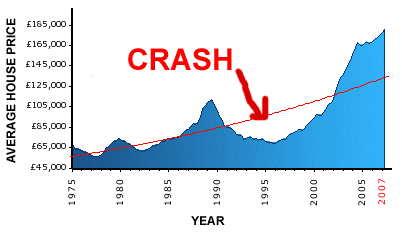
As interest rates continue to move higher, particularly in the UK, I thought that it might be worth to take a look at mortgage affordability.

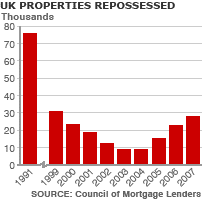
Those of us who are old enough will remember the collapse in the UK residential (and commercial) property markets in the early 1990’s. The slump was so deep that almost 200,000 homes were repossessed between 1991 and 1993. So with interest rates rising to 5% in the UK – and most likely higher still – many now fear that we could now see as many repossessions as we did then.

Source: Landlord Blog.

Source: BBC.

We disagree.

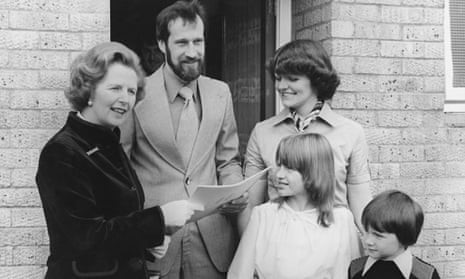
In the 1980s Margaret Thatcher’s government gave council tax owners the right to buy their houses. This fuelled a housing market boom; by its end, over half of all house owners had a mortgage.

1979: Milton Keynes King’s family receives the deeds to their council house. Source: The Guardian.

The housing market couldn’t look more different today. Now, just 28% of house owners have a mortgage. And, crucially, according to Goldman Sachs, 91% of outstanding mortgage debt is held by households with above-median incomes. This means that only 9% of families would have to change spending patterns if mortgage rates reached 7%. They make the further observation that excess deposits have grown by no less than £300 billion over the pandemic. This may been seen as money that could be used to pay down mortgages.

It is also worth pointing out that bank rate reached almost 15% in 1989, only gradually falling to just below 6% in 1993. Moreover, the majority of mortgages were floating rate – borrowers felt the pain of higher rates immediately. Today, over three quarters of all outstanding mortgages are fixed, a figure that rises to 90% in the case of new mortgages. The number of households which will be refinancing in 2023 is a comparatively modest 1.4 million. Equally important is that loan-to-value ratios are significantly lower than in the 1990s slump. Back then, a breathtaking 20% of recent buyers (1988-91) had negative equity by 1992 (in Luton South 72% were “negative equiters”!). Today, the industry leader Lloyds has an average loan-to-value of 42%. This will make the industry more comfortable helping borrowers who get into trouble. So far such borrowers have not been overwhelmingly numerous: only 1,250 houses were repossessed in the first quarter of this year.

Members, log in below to access the restricted content.

Not a member?

Thank you for your interest.  Please note that MOI Global is closed to new members at this time. If you would like to join the waiting list, complete the following form:

Comentario y cartera de Salmón Mundi Capital en el primer semestre de 2023

September 8, 2023 in Industrias, MOI Global en Español

NOTA DEL EDITOR: Este texto es obtenido de una carta de Salmón Mundi Capital.

* * *

En lo que se refiere a la estructura de la cartera, a cierre del semestre las posiciones largas representaban un 85% y las posiciones cortas un 51%. La distribución de las posiciones largas por sectores era la siguiente: oro y mineras de oro (29,5%), petróleo (18%), TMTs (18%), tabaco (15%), fertilizantes (4,5%) y liquidez y bonos a corto plazo (15%). Por otro lado, las posiciones cortas están tomadas sobre índices bursátiles con el objetivo de proteger la cartera de riesgos estructurales (valoraciones muy exigentes, endeudamiento excesivo, inflación) que creemos podrían generar estrés en los mercados a medida que el contexto macro se deteriora. La distribución de las posiciones cortas es la siguiente: EEUU (22%), Canadá (12%), Australia (11%) y Europa y Hong Kong (6%).

Miembros, inicien sesión abajo para acceder al contenido restringido.

¿No eres miembro?

Gracias por tu interés. Ten en cuenta que MOI Global está cerrado para nuevos miembros en este momento. Si deseas unirte a la lista de espera para miembros hispanos, completa el siguiente formulario:

Carta 1S 2023: Robert Vinall invierte en Interactive Brokers, Meta Platforms y Ryman Healthcare

September 6, 2023 in Contenido Libre, MOI Global en Español

Acaba de salir la carta semestral de la primera parte del año de Robert Vinall, fundador de RV Capital.

Tras unas pérdidas de 47.6% en 2022, la mayor pérdida de la vida del Business Owner Fund, durante la primera parte del 2023 el fondo ha tenido una rentabilidad compuesta del 13.8%, vs. 7.2% del índice de referencia. El valor del activo neto (NAV) del fondo aumentó un 27,1% desde el comienzo del año y un 574,3% desde su creación en septiembre de 2008.

En la carta, Robert Vinall menciona que hubo una alta rotación en el fondo durante este periodo, con reducciones en las posiciones de Credit Acceptance y Prosus, así como la venta de la participación restante en AddLife. Estas ventas se utilizaron para invertir en Interactive Brokers, Meta Platforms y Ryman Healthcare.

Aquí un resumen de las inversiones en Interactive Brokers, Meta y Ryman; además, algunos comentarios de Robert Vinall sobre por qué le gusta construir relaciones duraderas con el management y la implementación de inteligencia artificial en las posiciones de RV Capital.

La inversión en Interactive Brokers

Interactive Brokers (IB) ofrece servicios de corretaje en línea y plataformas de negociación para una amplia gama de instrumentos financieros. Se destaca por sus herramientas de negociación sofisticadas, amplio acceso al mercado y precios bajos.

La compra de la participación en IB se hizo durante la crisis desencadenada por el colapso de Silicon Valley Bank (SVB). A pesar de los temores de una repetición de la Gran Crisis Financiera (GFC), Rob consideró que la caída del precio de las acciones de IB no estaba justificada. La compañía es financieramente sólida y no cometió los errores de muchos de sus competidores al invertir los activos de los clientes en bonos a largo plazo cuando los tipos de interés estaban históricamente bajos.

El caso de inversión de IB se basa en tres criterios principales: una ventaja competitiva sólida y en crecimiento, una gestión efectiva y un precio atractivo.

Interactive Brokers destaca como el productor de bajo costo en su industria, logrando una estructura de costos líder en la industria a través de la automatización y la escala. Esto le permite ofrecer a los clientes las comisiones más bajas para operar, los tipos de interés más bajos en préstamos marginales y los tipos de interés más altos en depósitos calificados. Además, su enfoque en la tecnología y la eficiencia le permite mantener un margen operativo impresionante del 65%. Se espera que la ventaja competitiva de IB se fortalezca con el tiempo a medida que aumente su escala.

La compañía está liderada por Thomas Peterffy, su fundador y accionista mayoritario. La presencia de un propietario-operador en la gestión de la empresa es considerada una ventaja, ya que tiende a tener un enfoque más centrado en la creación de valor a largo plazo. La experiencia de Peterffy en la industria, especialmente en situaciones de crisis y eventos imprevistos, es un gran activo para la empresa. Aunque Peterffy ha sido criticado por retener la mayoría de las ganancias de la empresa, esta estrategia se ve justificada en el contexto de su experiencia en los mercados de capitales y su enfoque en la seguridad y estabilidad de la compañía.

En cuanto a la valoración, Rob Vinall estima que IB ganará alrededor de US $5.40/share en el presente año financiero, lo que implica un múltiplo P/E de ~14x. En resumen, IB es una empresa líder en su industria, con perspectivas de crecimiento rentable y atractiva valoración.

Meta Platforms

Durante el primer semestre de 2023, RV Capital adquirió una participación en Meta Platforms [META]. META, anteriormente Facebook, es una empresa tecnológica conocida principalmente por ser la empresa matriz de Facebook. La compañía es líder en el sector de las redes sociales y ofrece una amplia gama de servicios y productos digitales. Su plataforma principal, Facebook, cuenta con miles de millones de usuarios activos en todo el mundo. Además de Facebook, Meta Platforms también es propietaria de otras plataformas y aplicaciones populares, como Instagram, WhatsApp y Oculus.

La inversión en Meta Platforms se basa en varios factores. En primer lugar, la compañía tiene una posición dominante en el mercado de las redes sociales, lo que le brinda una ventaja competitiva significativa. Además, Meta Platforms continúa expandiéndose y diversificando su oferta de productos y servicios, lo que le permite capturar nuevas oportunidades de crecimiento.

Otro aspecto atractivo de la inversión en Meta Platforms es su enfoque en la innovación y la tecnología. La empresa está invirtiendo en proyectos de vanguardia, como la realidad virtual y aumentada; la inteligencia artificial (IA) y la conectividad global. Estas iniciativas tienen el potencial de impulsar el crecimiento y generar nuevos ingresos para la compañía en el futuro.

Respecto a la valoración, Rob comenta que compró Meta a un precio medio de 10x de sus beneficios estimados de 2023. Considerando las pérdidas de Reality Labs, la valoración es todavía más baja.

Por otro lado, Robert Vinall cree que Meta Platforms será una compañía más sólida por diversas razones. En primer lugar, sus inversiones en IA han ayudado a mitigar el impacto negativo de la política de Rastreo de Aplicaciones de Apple (ATT, por sus siglas en inglés), al mismo tiempo que han solidificado su dominio junto con Google en la industria de la publicidad en línea. Además, la introducción de Reels, el producto de video corto de Meta, no solo ha contrarrestado la amenaza de TikTok, sino que también ha brindado nuevas oportunidades de publicidad. Por último, el enfoque en la eficiencia se espera que mejore la conversión de ingresos en ganancias de la compañía y acelere los procesos de toma de decisiones, según lo declarado por Mark Zuckerberg.

Ryman Healthcare

Ryman Healthcare [NZE: RYM] es una empresa de servicios de atención médica con sede en Nueva Zelanda. La compañía se especializa en el cuidado de personas mayores y ofrece una amplia gama de servicios, que incluyen cuidados en el hogar, cuidados en centros de vida asistida y cuidados en centros de atención especializada.

La inversión en Ryman Healthcare se realizó como parte de una asignación de derechos de suscripción en una ampliación de capital en la que el fondo de Rob Vinall decidió ejercer todos sus derechos. Esta decisión se basó en el análisis y la evaluación de las perspectivas de crecimiento y rentabilidad de Ryman Healthcare en el futuro.

Ryman Healthcare ha demostrado ser una empresa exitosa en el sector de atención médica para personas mayores. La compañía tiene una sólida trayectoria de crecimiento y ha logrado establecer una reputación de alta calidad en la atención al cliente y en la gestión de sus instalaciones. Además, Ryman Healthcare se beneficia de la creciente demanda de servicios de atención médica para personas mayores debido al envejecimiento de la población en muchos países.

En términos financieros, Ryman Healthcare ha demostrado un desempeño sólido en los últimos años. La compañía ha experimentado un crecimiento constante en ingresos y utilidades, y ha mantenido una posición financiera saludable. Esto brinda confianza en la capacidad de la empresa para generar retornos atractivos para los accionistas.

Respecto a la valoración, la adquisición de la participación en Ryman Healthcare se consideró atractiva. El precio de entrada promedio del fondo implicaba un múltiplo de aproximadamente 14 veces las ganancias esperadas por acción de Ryman Healthcare en el año financiero actual.

Rob Vinall apoyó la ampliación de capital principalmente porque la valoración era atractiva. A $5/share Ryman tenía un valor significativamente inferior a su valor contable por acción de $6.58 después del aumento de capital. Con su largo potencial de crecimiento y su modelo de inversión ligero en capital, debería negociarse a un gran premio sobre su valor contable.

Construyendo relaciones con los equipos directivos

Disfruté trabajando como inversor activista, pero había un aspecto del trabajo que no me gustaba: Siempre estabas lidiando con, bueno, idiotas. Es inherente a la estrategia. La hipótesis de cualquier inversión activista es que el negocio está bajo su potencial porque su CEO es incompetente, deshonesto o, en el mejor de los casos, ambas cosas. Cuanto mayor sea la brecha entre el potencial de una empresa y la realidad, mayor será la oportunidad. Durante este periodo, disfruté conociendo a las personas que llevaban un negocio, pero prefiero construir relaciones con personas que me agraden. Esto no es una crítica a la inversión activista, simplemente se alineaba mejor con mi carácter. Lo más importante, estoy convencido de que las compañías dirigidas por personas que respeto y admiro generalmente tienen mejores resultados de inversión, ya que es más probable que sus valores estén alineados con la creación de valor a largo plazo. Obviamente, solo es posible construir relaciones de confianza si tienes un número pequeño de inversiones y realizas operaciones con poca frecuencia.


IA en la cartera de RV Capital

En general, la mayoría de las empresas en cartera de Rob Vinall se benefician de la IA. Ejemplos de esto incluyen el uso de la IA por parte de Meta para mejorar recomendaciones de contenido y segmentación publicitaria; y Salesforce que ofrece herramientas de IA para mejorar la gestión de relaciones con los clientes. Sin embargo, existe un caso particular como Wix, donde los inversores temen que el software de construcción de sitios web sea reemplazado por la IA. Rob considera que esta preocupación es infundada, ya que el software de Wix permite la creación personalizada de sitios web en pocos minutos y ofrece soluciones de software más allá de la simple generación automática de sitios. Además, señala que los inversores pueden estar encasillando erróneamente a Wix como perdedor en la IA basándose en suposiciones en lugar de evidencia sólida.

* * *

MOI Global